
When to Automate Pre-Roll Production: Capacity, Labor & ROI
Learn how to evaluate pre-roll automation using capacity, labor, bottlenecks, utilization, and payback before investing in equipment.


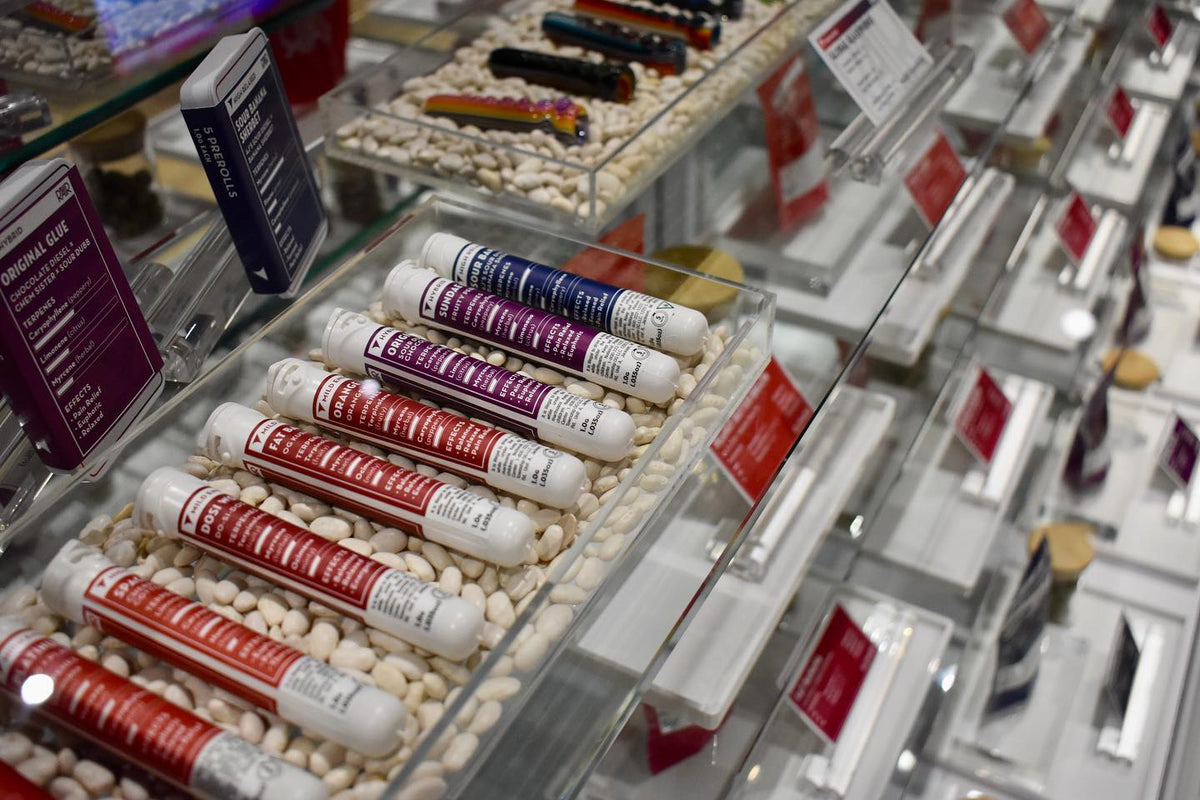
A look back at Sana Packaging’s 2022 conversation with RAIR about aeroponic cultivation, water use, community programs, and packaging decisions.
RAIR has made aeroponic cultivation a defining part of its identity as a Michigan cannabis company.
In 2022, Sana Packaging spoke with Molly McFadden, who was then RAIR’s director of retail operations. The conversation covered cultivation, water recirculation, packaging materials, community cleanups, and the challenges surrounding cannabis-packaging recovery.
This updated customer spotlight revisits that conversation while distinguishing the information shared in 2022 from current company and operating details.
At the time of the interview, RAIR operated cultivation, processing, and retail operations in Michigan.
Its provisioning centers offered flowers, edibles, beverages, concentrates, tinctures, and other products from RAIR and third-party brands.
Molly was responsible for sourcing products and packaging for the company’s retail operations. She described RAIR as a customer-focused business serving people with diverse product preferences and varying levels of cannabis experience.

Products, locations, services, personnel, and retail inventories change. Visit the RAIR website for current information about the company and its locations.
RAIR’s cultivation system uses aeroponics.
In an aeroponic system, plants are grown without soil. Their roots are suspended and supplied with water and nutrients through a controlled misting system.
This approach gives a cultivation team substantial control over water, nutrient delivery, and growing conditions. It also requires specialized equipment, monitoring, sanitation, operating procedures, and technical expertise.
During the 2022 interview, RAIR reported recirculating at least 90% of the water used by its cultivation operation. The company also described using hydroponic or aeroponic methods to manage water and nutrient inputs.

That figure and the associated practices describe the operation at the time of the interview. They should not be interpreted as a current audit of the facility or a complete measure of its environmental performance.
Water recirculation is one consideration. Energy use, lighting, heating and cooling, nutrient production, wastewater, equipment, yields, waste, and local operating conditions may also affect the complete cultivation system.
During the 2022 interview, Molly explained that RAIR had selected Sana Packaging for packaging used with selected vaporizer cartridges and pre-rolls.
At the time, RAIR used containers made from reclaimed ocean-bound plastic.
Reclaimed ocean-bound plastic describes the source of the plastic used to manufacture the packaging. It does not establish that the complete package is recyclable in every community or that the package, product, or company meets a broader environmental standard.
Learn more about how Sana Packaging defines and uses reclaimed ocean-bound plastic.

Packaging material is only one part of a finished package. Product compatibility, child-resistance requirements, labeling, local regulations, available recovery systems, and the complete container-and-closure configuration must also be considered.
Community involvement was another part of the 2022 conversation.
RAIR reported organizing monthly local cleanup events and recruiting volunteers from surrounding neighborhoods.
Those details describe activities reported at the time of the interview. They should not be interpreted as a current schedule or a complete record of the company’s community programs.
Community service is separate from a packaging or cultivation decision and should be evaluated according to its own records, dates, participants, and results.
Molly also discussed barriers that RAIR encountered when considering packaging reuse and recycling.
During the 2022 interview, she identified cannabis residue, regulatory requirements, and limits on transporting used cannabis packaging as practical challenges for the company.
Those comments describe RAIR’s experience and understanding at that time. Cannabis laws, regulations, agency guidance, recovery programs, transportation rules, and facility requirements can change.
Collecting a package does not guarantee that it will be recycled. The result depends on the material, contamination, component separation, local processing options, transportation, and the requirements of the receiving program.
Brands considering a recovery program should confirm current requirements and determine what a receiving facility accepts and how each collected component will be handled.
A customer relationship can involve more than containers, closures, artwork, and order quantities.
Our 2022 conversation with RAIR offered a closer look at the company’s aeroponic cultivation system, water-recirculation practices, community programs, and packaging decisions.
If you are evaluating packaging for a cannabis product, contact Sana Packaging to discuss your product, intended market, quantity, timeline, and customization needs.
Last reviewed: August 31, 2026.
This article revisits an interview conducted in 2022. Products, locations, services, personnel, cultivation practices, community programs, packaging configurations, regulations, and other company details may have changed. Visit the company’s official website for current information.

Learn how to evaluate pre-roll automation using capacity, labor, bottlenecks, utilization, and payback before investing in equipment.
Our expert team can take care of it. Just click Get Expert Install and we'll send you an email when it's ready!
If everything looks okay to you, you can Ignore this warning.


