
Cannabis Edibles Packaging Guide: Child Resistance, Barriers, Labels & Formats
Learn how to evaluate cannabis edibles packaging by child resistance, barrier performance, food-contact suitability, serving format, labe...


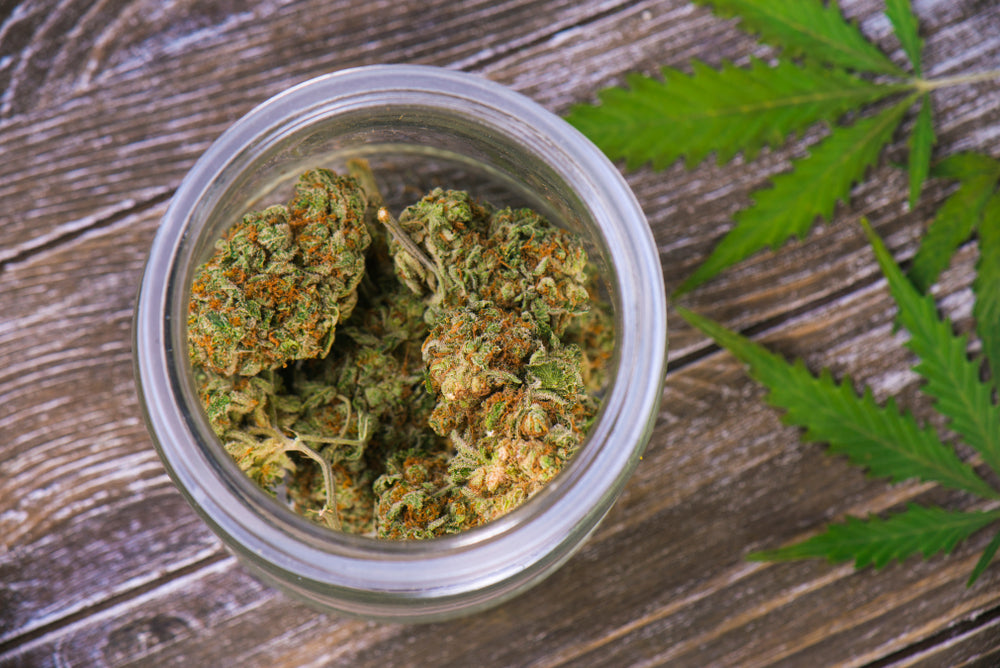
Cannabis flower packaging should be evaluated as part of the finished product, not only as an empty container.
Cannabis flower packaging should be evaluated as part of the finished product, not only as an empty container.
Two batches with the same nominal weight can occupy different amounts of space because flower varies in density, dimensions, structure, and moisture content. A package that works for one product may compress another, leave too much open space, interfere with the closure, or behave differently during storage and transportation.
The best way to select flower packaging is to define what the finished package must accomplish and test the actual product in the complete configuration before placing a production order.
This guide explains how to evaluate packaging fit, headspace, closures, storage conditions, transportation, and customer use. To review available formats and current product options, visit the Cannabis Flower Packaging collection.
A nominal fill weight is a useful starting point, but it does not provide enough information to approve a package.
The packaging team should document:
The evaluation should reflect normal commercial production rather than a single unusually uniform sample. If density, moisture content, or bud structure varies between batches, test a reasonable range of those conditions.
A package should provide sufficient room for the actual product without relying on excessive compression or interfering with the closure. It should also avoid unnecessary empty space when product movement or retail presentation is a concern.
Package evaluation becomes easier when the team separates required functions from visual preferences.
A required function is something the finished package must accomplish. Examples can include:
Visual preferences can include color, finish, proportions, transparency, decoration, or a particular shelf presentation.
Both categories matter, but they should not be treated as interchangeable. A preferred appearance should not displace a necessary product-fit, closure, production, or documentation requirement.
The team should establish its requirements before comparing samples. Otherwise, it is easy to select a package based on appearance and discover operational problems later.
Testing should use the actual product and complete package configuration whenever possible.
Rather than testing only the target fill amount, consider evaluating:
This range can help identify problems that would not appear during a single test.
During the evaluation, check:
The usable interior space may be different from the package’s exterior dimensions or nominal capacity. Closures, liners, seals, gussets, folds, and required sealing areas can all affect the space available to the product.
Capacity guidance should therefore be treated as a starting point. Final approval should be based on a filled-package test.
Headspace is the open area between the product and the package's closure or upper portion.
Too little headspace can make a package difficult to fill or close. It may cause flower to interfere with a zipper, liner, seal, or lid. Excessive compression can also change the package’s appearance and make product removal more difficult.
Too much headspace can allow greater product movement and may create a package that appears underfilled. The effect depends on the package format, product characteristics, retail presentation, and handling conditions.
The goal is not to eliminate headspace entirely. It is to establish an intentional amount of usable space that supports:
Record the approved fill amount and headspace with photos of the finished package. These records can help operations teams maintain consistency and make future package comparisons more useful.
A container should not be evaluated separately from the components used to complete the package.
The finished configuration may include:
Each component can affect product fit and package performance.
A jar, for example, should be tested with the exact lid and liner intended for production. The container alone does not establish whether the completed package is child-resistant, tamper-evident, or appropriate for the intended market.
Likewise, a pouch should be tested with its approved film structure, dimensions, zipper, seals, and specialty features. A different closure or material can change the usable interior space, opening process, sealing procedure, and available artwork area.
Child resistance and tamper evidence should be evaluated separately. A package should be described as child-resistant only when the completed configuration includes the appropriate documentation. A liner, heat seal, or tamper band does not automatically make a package child-resistant.
Flower quality can be affected by the conditions surrounding the finished product. Packaging can influence exposure to moisture, oxygen, and light, but it does not operate independently of the product, filling process, closure, storage environment, or transportation conditions.
Avoid relying on a universal shelf-life assumption or a general statement about a material category. The same package may perform differently when the flower, closure, fill level, storage period, or handling process changes.
The evaluation should consider:
Packaging cannot maintain a particular storage temperature on its own. Temperature management depends on the complete storage and transportation environment.
Similarly, terms such as airtight, odor-proof, smell-proof, or moisture-proof should not be applied without documentation supporting those claims for the exact finished configuration. More precise descriptions should be based on current product information and completed-package testing.
A short tabletop test is useful, but it does not reproduce everything the finished package will experience.
The test process should follow the expected commercial workflow:
The evaluation may include upright, horizontal, and inverted positions when those orientations are reasonably expected during distribution or use.
Case-packing is particularly important. A package that appears suitable on its own may deform, shift, scuff, or experience unexpected pressure when placed into a shipping case with other units.
The test should also account for the expected retail environment. Consider how the package will be displayed, stacked, handled, opened, and stored after purchase.
Packaging decisions should not be made by the creative or purchasing team alone.
The people responsible for filling, closing, sealing, labeling, inspecting, and case-packing the product can identify problems that an office review might miss.
The filling team should evaluate:
A package that performs well when filled slowly by one person may behave differently during a commercial production run. Testing should use normal equipment, procedures, and operators whenever practical.
If the package requires new equipment or a new operating procedure, that change should be included in the project schedule and production plan.
Terms such as sustainable, eco-friendly, natural, recyclable, or responsible do not describe every part of a package or establish how it will perform.
Material selection should be based on the exact package configuration and the documentation available for that configuration.
When considering a material claim, confirm:
A package made with recycled or plant-based material should still be evaluated for product fit, closure operation, production compatibility, storage, transportation, and customer use.
Responsible material selection is one part of the packaging decision, not a substitute for complete-package testing.
A successful test should create a repeatable reference for production and future orders.
The approval record should include:
Retain this information with the production order, artwork, proof, and receiving-inspection records.
The package should be tested again when there is a meaningful change to the flower, fill amount, container, pouch, closure, material, sealing process, label, transportation plan, or expected storage period.
Before approving a flower packaging configuration, confirm:
The right flower package is not determined by nominal capacity or material alone. It is the configuration that accommodates the actual product, works with the filling process, supports the required closure and labeling, and performs under the expected storage, transportation, retail, and customer-use conditions.
Start with the flower. Define what the finished package must accomplish, test the complete configuration, document the results, and repeat the evaluation whenever an important variable changes.
Explore cannabis flower packaging or contact the Sana Packaging team to request samples and discuss your product, packaging requirements, quantities, customization, and production schedule.
Related resources: Jars & Lids FAQ; Flexible Packaging FAQ.

Learn how to evaluate cannabis edibles packaging by child resistance, barrier performance, food-contact suitability, serving format, labe...
Our expert team can take care of it. Just click Get Expert Install and we'll send you an email when it's ready!
If everything looks okay to you, you can Ignore this warning.


